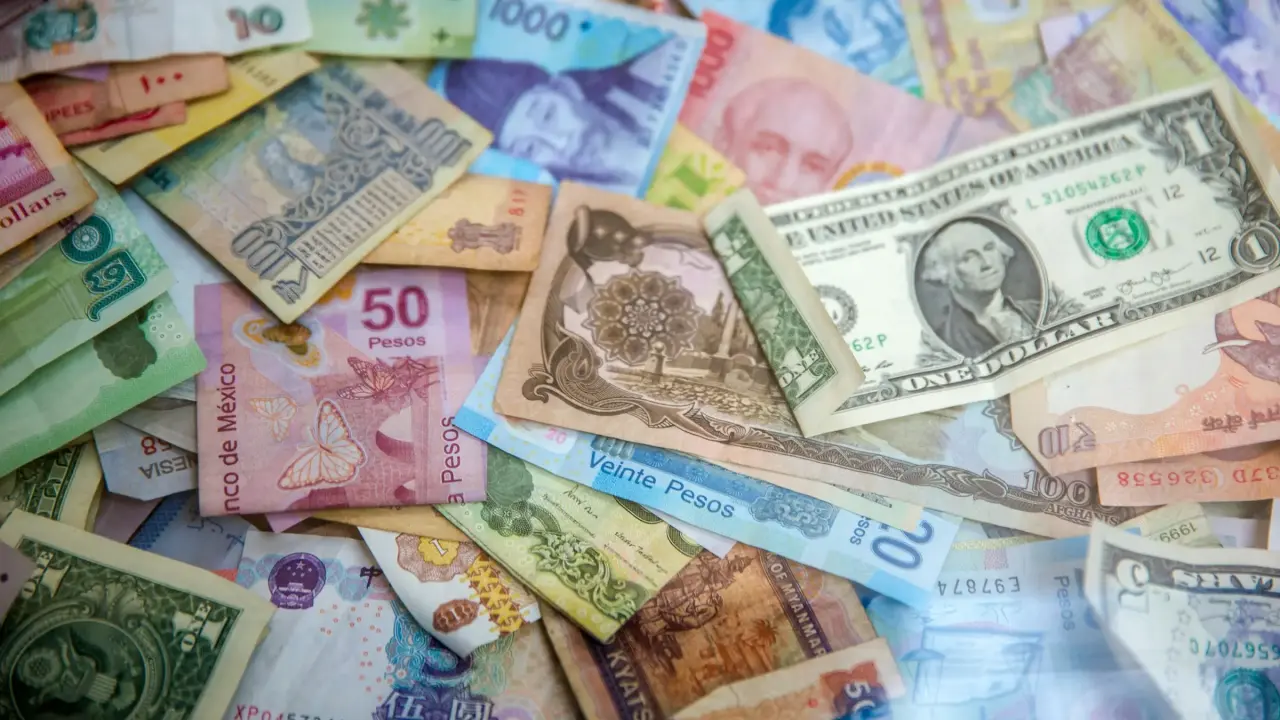
An exchange rate is simply the price of one currency in another, and like most prices it changes when supply and demand change.
Trade pulls currencies around
When a country imports more than it exports, it has to buy foreign currency to pay for those goods. That steady demand can weaken its own currency over time.
Interest rates attract money
Higher interest rates can draw investors who want better returns. To invest, they first buy the local currency, which pushes its value up.
Central banks can step in
Many central banks buy or sell currency to smooth sharp swings. They rarely try to fix a rate for long, but they can slow a sudden fall.
What it means for you
A weaker rupee makes imported phones and foreign trips cost more, while exporters earn more rupees for the same sale abroad.
Sources and corrections. This article draws on the sources listed here. Spotted a mistake? and we will correct it.
- 1 Sample source: background reference
- 2 Sample source: official or primary document
- 3 Sample source: explainer from another publisher (facts only)