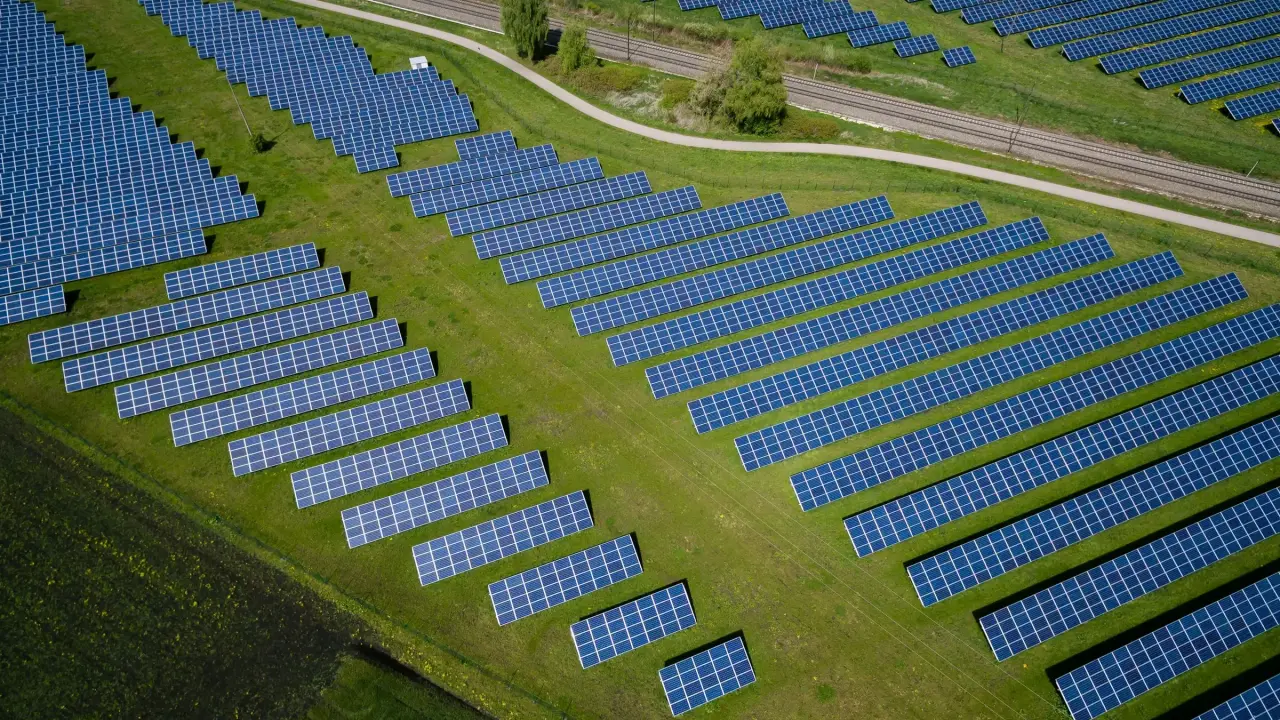
A solar farm is a large set of panels, but getting its electricity to homes takes more equipment than panels alone.
From DC to AC
Solar panels produce direct current. Inverters convert it into the alternating current the grid uses.
Stepping up the voltage
Transformers raise the voltage so the power can travel long distances with less loss.
Balancing the grid
Output rises and falls with sunlight, so grid operators balance it with other sources, storage and demand.
Why location matters
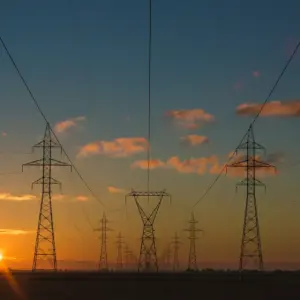
Farms are cheaper to connect when they're close to existing transmission lines with spare capacity.
Series · Part 2 of 5Climate Basics
Sources and corrections. This article draws on the sources listed here. Spotted a mistake? and we will correct it.
- 1 Sample source: background reference
- 2 Sample source: official or primary document
- 3 Sample source: explainer from another publisher (facts only)