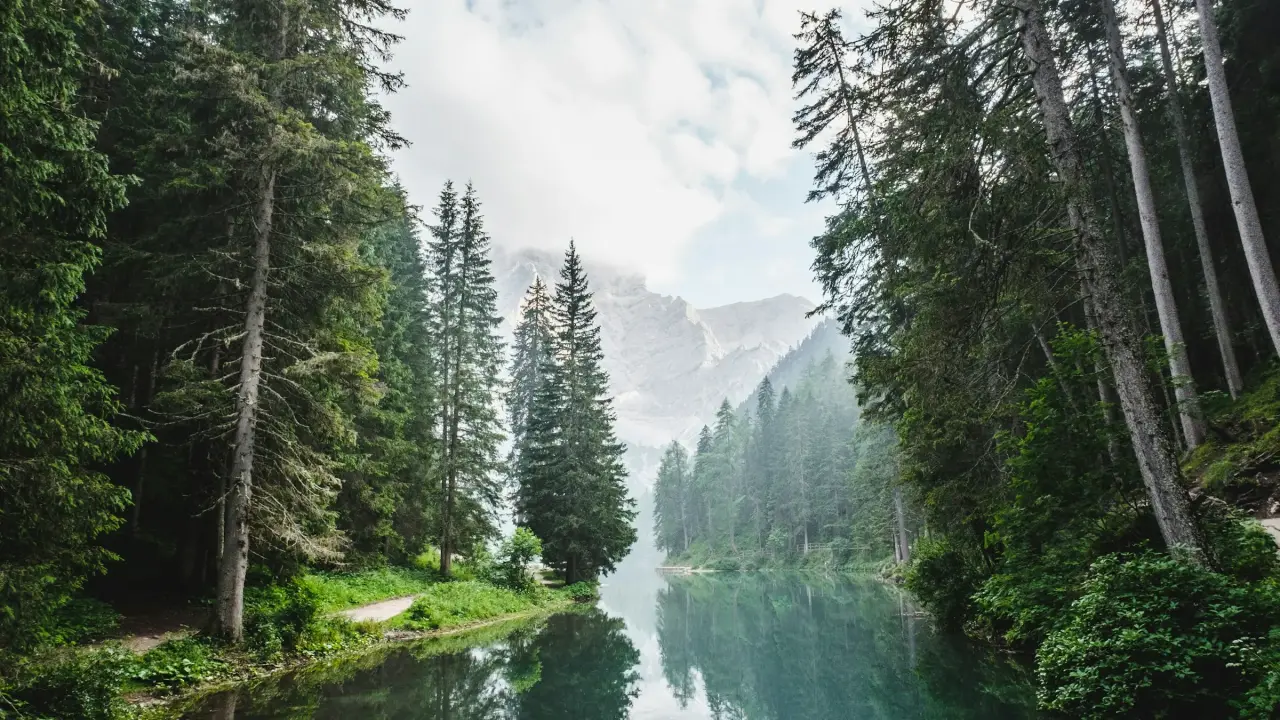
Forests are among the largest stores of carbon on land.
Built from the air
Through photosynthesis, trees take carbon dioxide from the air and build it into wood, leaves and roots.
Soil matters too
A large share of a forest's carbon sits in the soil, in fallen leaves and decaying roots.
How it's released
When forests burn or are cleared, much of that stored carbon returns to the atmosphere.
Old versus new
Planting trees helps, but protecting existing mature forests keeps carbon that took decades to store.
Series · Part 1 of 5Climate Basics
Sources and corrections. This article draws on the sources listed here. Spotted a mistake? and we will correct it.
- 1 Sample source: background reference
- 2 Sample source: official or primary document
- 3 Sample source: explainer from another publisher (facts only)